Agoraphobia - All You Need To Know - Maximed Turkey
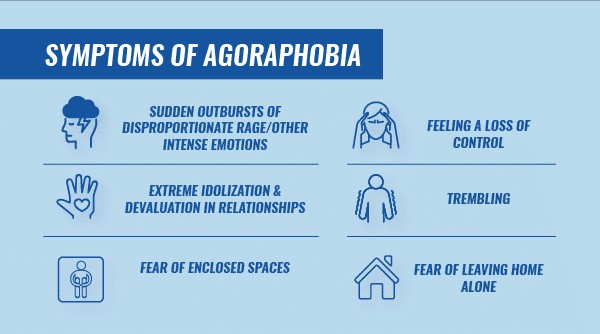
What Is Agoraphobia?
Agoraphobia is a general anxiety disorder and involves intense fear of situations where the individual may panic and lose control. This can be either places and situations where they cannot easily escape or those where help has proved ineffective in the past. A person with agoraphobia will often avoid these situations at all costs, leading to physical as well as mental health problems.
What Are The Characteristics Of Agoraphobia?
Agoraphobia is a
specific phobia and as such, sufferers will experience:
Anxiety about
being in a situation from which it would be hard to escape if a panic attack
began.
Agoraphobics will
try to avoid this anxiety-provoking situation or endure it with intense
anxiety. It is typically an irrational fear, but the fear is so overwhelming
that sufferers have difficulty completely rationalizing their fear.
Although
agoraphobia involves the avoidance of public places and situations, people with
agoraphobia are very seldom housebound.
They often go out
of their homes when they are not having panic attacks or when they make a
conscious effort to do so.
The following
points provide the common characteristics of agoraphobia:
Agoraphobia will
not allow sufferers to cope with their anxiety rationally and healthily, and
will often lead to further anxiety.
Although people
with agoraphobia may not feel the need to talk about their condition, they most
likely would be very open and honest about it if asked.
During an
interview process, an individual must have the opportunity to disclose this
information quickly before getting into deeper issues that you may want to
address later on in your interview process.
Agoraphobia is an
irrational fear that cannot be dismissed or otherwise rationalized aside from
through medication or coaching. It also usually starts in early childhood, but
sufferers will often suffer greatly for many years before seeking help.
When Does Agoraphobia Typically First Appear?
Studies suggest
that agoraphobia often first appears as a person's anxiety disorder develops,
becoming more apparent as the disorder grows. This means that it can often
occur at any stage during the development of generalized anxiety disorder
(GAD); however, it is most likely during the early stages.
Where this
occurs, it can then continue to progress and become ingrained in a person's
life. It can also develop after many years of someone coping with GAD and so
should not be associated with short-term panic attacks and general anxiety.
What Are The Characteristics Of Being In A Situation From Which It Would Be Hard To Escape If A Panic Attack Began?
Agoraphobia is a
specific phobia, and as such, sufferers will experience:
Sufferers will
typically have a fear of being in crowded places where they may become trapped,
have difficulty being moved out of doors in case they have to run to get away
from a situation where there has previously been a panic attack or where they
have experienced some other trauma.
There may also be
a fear of an inability to escape in crowded subways or rail systems; subways
are particularly difficult for agoraphobes because there are no physical escape
routes. Other situations that can be particularly difficult include shopping
malls, public transport/planes, cinema complexes, and open marketplaces where
many people are present.
Are There Any Specific Fears That Are Associated With Agoraphobia?
Although this
fear is often obvious to the people around the affected person, it is not
always so. People who suffer from agoraphobia will often go to great lengths to
hide their condition; this can make it difficult to determine whether or not
someone has agoraphobia.
However, it is
possible to identify certain patterns in an individual's behaviour that may
point towards them having agoraphobia.
How Do Agoraphobics Cope With Their Anxiety?
Agoraphobics will
often try to avoid this anxiety-provoking situation or endure it with intense
anxiety. It is typically an irrational fear, but the fear is so overwhelming
that sufferers have difficulty completely rationalizing their fear.
Agoraphobics are
likely to try to avoid certain situations in which they believe they are highly
likely to panic or where there is a high chance of having a panic attack.
They may also try
to distract themselves during these situations, but most commonly have no idea
how they will feel in the future when they are in the same situation again.
How Do You Detect These People?
Agoraphobics also
experience intense anxiety in many situations. They tend to avoid social
situations in which there are many people present because these are the
situations in which they have the most difficulty coping with their anxiety.
If they have a
panic attack in one of these situations, it can lead to them having difficulty
coping for a long time after. This means that when agoraphobics come across
similar situations where people or places are likely to trigger an anxiety
attack, they may not be able to cope with their anxiety so will try to avoid
them rather than face it head-on. One way that agoraphobics will manage their
anxiety is by using drugs and/or alcohol.
